
Data Collaboration Without Data Sharing: The Real Mechanics of Multi-Party Computation
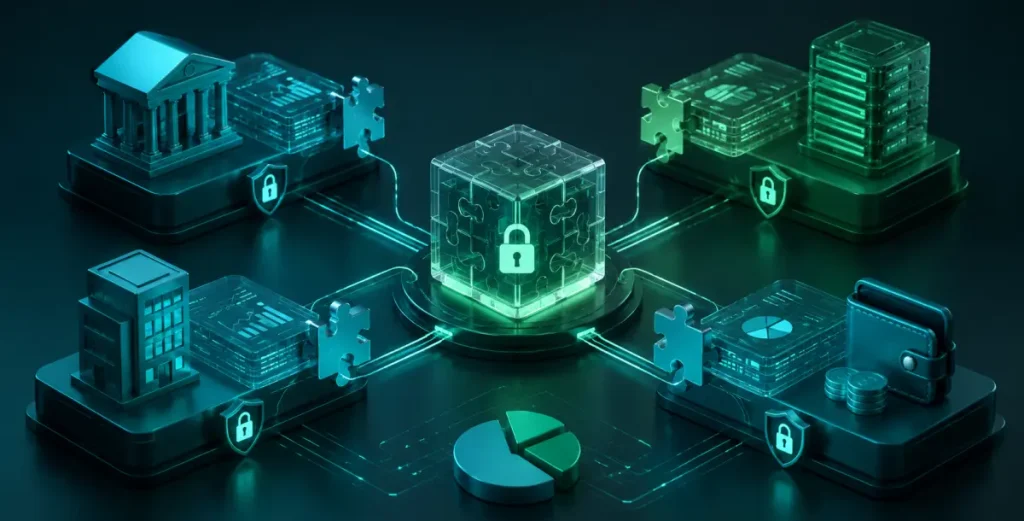
In today’s enterprise landscape, data has become an organization’s most valuable asset. However, as the value of data grows, so do the liabilities: data breaches, compliance penalties, and advanced cyber attacks are now top-tier corporate risks. This exposure is driving global interest in Multi-Party Computation (MPC) technology. MPC is an advanced cryptographic framework that allows […]
A Deep Dive into Non-Custodial MPC Wallets: Redefining Digital Asset Ownership and Security

As the digital asset and Web3 ecosystems scale, wallets serve as the primary gateway for asset storage and network interaction. As a result, security frameworks and asset ownership models remain the most critical decisions for any user or organization. Traditional custodial wallets hand full asset management rights to a third-party platform. While convenient, this model […]
Eliminating the Single Point of Failure: How MPC Wallets Rewrite Digital Asset Security

The digital asset space has always forced a difficult trade-off between freedom and security. On one hand, users want full control over their funds without the rules and restrictions of traditional banking. On the other hand, the sheer pressure of managing a private key hangs over every holder’s head. We are now looking at a […]
Understanding Non-Custodial MPC Wallets: The Next Generation of Digital Asset Security

As the digital asset market expands, users are demanding higher bars for asset security, seamless key management, and decentralized control. This shift has made non-custodial Multi-Party Computation (MPC) wallets a primary development focus across the blockchain ecosystem. A non-custodial MPC wallet merges the absolute asset ownership of self-custody with the decentralized security of MPC cryptography. […]
Understanding Crypto Asset Security: Non-Custodial Wallets vs. Institutional Custody
In the digital asset ecosystem, the foundational principle of “not your keys, not your coins” highlights a critical strategic decision for market participants: how to secure and manage digital asset holdings. This choice defines the core distinction between non-custodial wallets and third-party cryptocurrency custody. These two approaches represent distinct operational philosophies. Non-custodial architectures place complete […]
Core Infrastructure of Digital Asset Security: Public Keys, Private Keys, and Hot Wallets

In the digital asset ecosystem, cryptographic design replaces centralized counterparty risk. Rather than relying on financial institutions or conventional passwords, digital asset preservation depends on public-key cryptography. For both institutional allocators and individual market participants, understanding the mechanics of private keys, public keys, and hot wallets is essential for managing operational risk and building secure […]
The Evolution of Digital Asset Custody: From Asset Safekeeping to Institutional Infrastructure

As the digital asset ecosystem matures, market focus has pivoted from speculative asset evaluation and network throughput toward operational resilience and advanced capital preservation. Early blockchain adoption prioritized asset pricing and transaction latency; today, market participants recognize that sustained enterprise growth depends entirely on operational security and structural capital management. Securing digital assets introduces unique […]
Crypto Custody Framework Taxonomy: Enterprise vs. Individual Storage Models

As distributed ledger technology continues to integrate with institutional capital markets, corporate treasuries, and structured wealth management frameworks, digital asset custody has transitioned from an isolated technical requirement into a foundational piece of financial market infrastructure. For institutional allocators exploring this ecosystem and individual market participants securing long-term capital, selecting an appropriate custody framework requires […]
Comprehensive Analysis of Digital Asset Custody: An Enterprise Guide to Capital Preservation

As blockchain architecture and digital assets secure a permanent position within mainstream capital markets, a foundational operational challenge persists: how to safely store and manage these instruments. Unlike legacy financial markets where equities, fixed-income, or fiat currencies rely on centralized clearing networks and standard securities depositories, digital assets are unique—their ownership is tied to a […]
Cryptocurrency Custody vs. Self-Custody Wallets: An In-Depth Evaluation of Asset Storage Architectures

Once you assume ownership of Bitcoin, Ethereum, or other digital assets, the first major operational decision you face is determining where those assets should reside. This seemingly simple question involves two fundamentally distinct philosophies: cryptocurrency custody and self-custody wallets. The former delegates asset preservation and administrative power to a professional third party, while the latter […]