
Balancing Operational Efficiency and Risk Mitigations in Enterprise Digital Asset Custody

Digital asset management is undergoing a structural shift. As blockchain integration expands beyond retail speculation into corporate treasury operations, cross-border payments, digital financial services, and institutional asset management, the infrastructure required to manage these assets must evolve. For individual users, basic key management via a standalone wallet is sufficient. For enterprises and institutional operators, managing […]
Choosing the Right Enterprise Wallet Model: MPC Self-Custody vs. Custodial Architectures
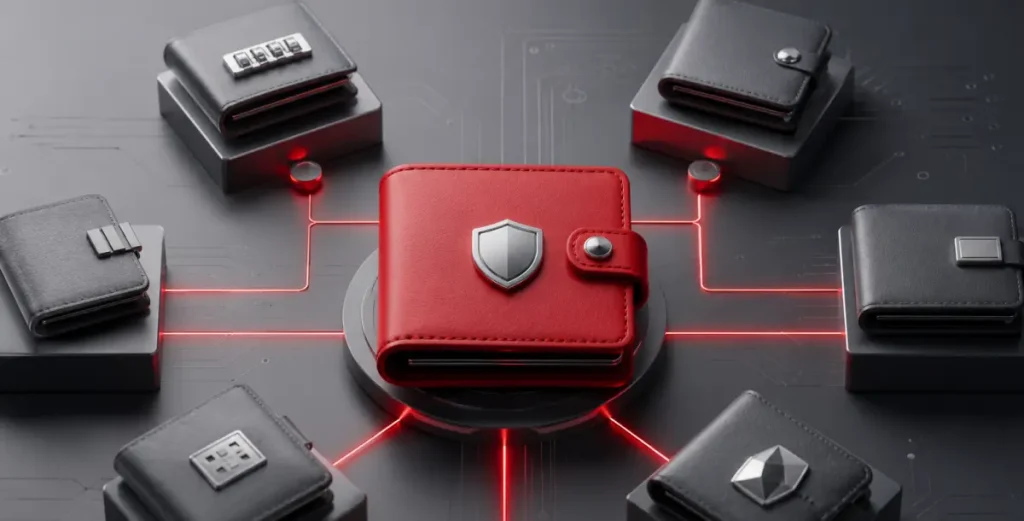
As digital assets transition from speculative instruments to core balance sheet infrastructure, the technical parameters governing wallet security have fundamentally shifted. Historically, crypto wallets operated as localized key storage units for individual users. Today, institutional treasuries, decentralized financial platforms, and Web3 enterprises require complex operational frameworks capable of balancing capital protection with dynamic execution. In […]
The Mechanics of Self-Custody: How Non-Custodial Infrastructure Restores Web3 Capital Control

In digital finance, a fundamental rule dictates asset ownership: “Not your keys, not your coins.” When market participants hold assets on centralized venues, they do not own the underlying cryptographic tokens. Instead, they hold an uncollateralized claim against the operating platform’s balance sheet. True asset ownership begins with unilateral private key control. Non-custodial wallet infrastructure […]
Threshold Security for Web3 Institutions: How MPC Wallets Balance Capital Control & Velocity

As institutional digital asset holdings scale from tens of millions to billions of dollars, the foundational logic governing asset security undergoes a structural shift. While single-private-key storage models may suffice for individual users, they introduce unacceptable operational risks for enterprises. Traditional single-signature wallets and hardware security modules fail to address key institutional requirements: multi-role approval […]
Balancing Institutional Operational Velocity & Capital Protection with Warm Wallets & Private Key Management

As digital asset markets mature, the paradigm for institutional asset management has shifted from basic custody to operational flexibility. Today, financial institutions, Web3 platforms, and corporate treasuries require constant connectivity to decentralized liquidity venues, staking protocols, and automated clearing layers. This evolution has exposed the fundamental limitation of traditional custody frameworks: the choice between security […]
Web3 Wallets and Public Keys: The Identity and Access Layer of Decentralized Networks

As blockchain networks integrate deeper into the digital economy, Web3 is fundamentally changing how users and organizations connect online. Traditional web platforms rely on centralized databases, usernames, and passwords to grant account access. In contrast, Web3 operates on cryptographic key pairs, on-chain addresses, and self-sovereign identity tools. At the center of this shift is the […]
Enterprise MPC Wallets vs. Multi-Sig: Modern Security Solutions for Corporate Digital Assets

As blockchain protocols integrate into global commerce, managing digital assets has become a core operational responsibility for modern enterprises. Companies across fintech, e-commerce, and global trade are now processing crypto payments, handling stablecoin settlements, operating Web3 services, and building digital asset reserves. However, unlike traditional fiat rails backed by centralized clearinghouses and bank reversals, digital […]
Digital Asset Custody and Warm Wallets: Balancing Capital Security with Operational Liquidity

As blockchain technology matures, digital assets have moved well beyond early retail experimentation to become a primary asset class for global enterprises, institutional investors, and family offices. Today, managing crypto holdings, stablecoin liquidity, and tokenized real-world assets requires an enterprise-grade operational setup. With portfolio values scaling, securing these holdings, mitigating operational risks, and maintaining daily […]
Cold Wallets and Self-Custody: How to Secure Digital Assets and Maintain Total Control Over Your Capital

As businesses and institutional investors expand their crypto footprint, managing digital assets securely has become a primary operational focus. From corporate treasury management to decentralized finance (DeFi) and tokenized real-world assets, the ways companies use crypto are multiplying fast. But as balance sheets grow, so does the risk profile. In Web3, a wallet isn’t just […]
MPC Self-Custody Wallets: How Next-Gen Non-Custodial Crypto Infrastructure Delivers Security and True Asset Sovereignty

As blockchain ecosystems mature, individuals and enterprises alike are migrating capital out of legacy financial rails and onto decentralized networks. While digital assets offer an open, efficient, and transparent paradigm for wealth management, securing these assets remains the single greatest operational challenge facing the industry. Historically, market participants relied on centralized exchanges and third-party custodians […]