

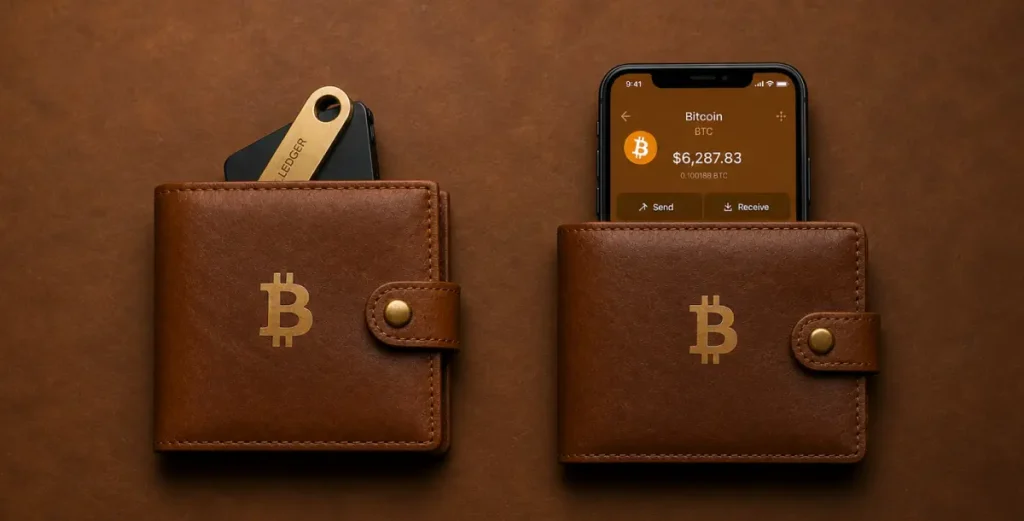
In the digital asset landscape, securing cryptocurrency remains the single most critical concern for market participants. As blockchain technology matures, the focus has shifted toward private key management. A private key functions like the master password to a bank vault; whoever holds it has absolute authority over the assets at that address. Therefore, your choice of storage is more than a technical detail—it is the foundation of your financial security.
Today, the industry divides storage solutions into two primary categories: Hot Wallets 及 Cold Wallets. These options differ significantly in connectivity, security tiers, and operational ease. Understanding these distinctions is essential for tailoring a strategy that fits your specific risk profile.
Hot Wallets: Agile Solutions for Active Users
A hot wallet is a digital asset storage tool that maintains a persistent connection to the internet. The private keys are stored on web-connected devices, ranging from smartphone apps and desktop software to browser extensions. This “always-on” status allows for rapid transaction execution, offering maximum operational flexibility.
The Landscape of Hot Storage
Hot wallets are highly versatile and fit various operational needs. Mobile wallets are the most ubiquitous, allowing users to handle payments or check balances on the go via QR codes. Web-based wallets provide instant access through a browser, while desktop applications offer more robust feature sets for power users. Additionally, wallets integrated into DApp browsers allow for seamless interaction with decentralized protocols and Web3 applications.
Frictionless Utility as the Core Value
The primary value proposition of a hot wallet is convenience. For users executing frequent, small-scale transactions, hot wallets provide a frictionless experience. There is no need to connect external hardware or move keys from offline storage; transactions are completed with simple on-device verification. This makes them the ideal choice for daily payments, DeFi participation, and NFT trading.
Navigating Connectivity Exposure
However, this accessibility introduces a broader attack surface. As private keys reside on a connected device, they are exposed to network-based threats. Cyberattacks—including malware, phishing, and man-in-the-middle exploits—remain the primary risk. In addition, custodial hot wallets introduce counterparty risk, where a platform breach or internal mismanagement can result in a loss of funds.
Cold Wallets: The Standard for High-Stakes Asset Preservation
In contrast, a cold wallet is a storage method where private keys are kept entirely offline. By signing transactions in an “air-gapped” environment, cold wallets fundamentally eliminate the possibility of a remote network-based exploit. For high-value holdings or long-term reserves, cold storage remains the gold standard of protection.
Physical Architectures of Cold Storage
Cold storage typically takes the form of Hardware Wallets—purpose-built electronic devices with specialized chips designed to generate and store keys offline. Even when connected to a computer to broadcast a transaction, the private keys themselves never leave the device. For advanced security, some users employ dedicated, offline laptops or “paper wallets” to ensure the recovery phrase never touches a digital environment.
Maximum Protection via Physical Isolation
The hallmark of a cold wallet is unrivaled security. As the private keys never touch the internet, they are immune to remote hacking and network-level eavesdropping. Even if the computer used to broadcast a transaction is infected with a virus, the assets remain secure because the cryptographic signing happens on the offline hardware. This physical isolation provides a robust defense against phishing, keylogging, and remote access exploits.
Operational Friction and Management Responsibility
High security inevitably introduces complexity. Executing a transaction with a cold wallet involves multiple steps:
- Constructing an unsigned transaction online,
- Transferring the data to the cold wallet,
- Signing it offline,
- Moving the signed data back to the network.
This friction makes cold storage impractical for high-velocity trading, but it is a necessary trade-off for long-term “HODLing.” In addition, the burden of physical management is high; if the recovery seed is lost or destroyed, the assets are permanently unrecoverable.
Comparison at a Glance: Connectivity vs. Security
| Feature | Hot Wallet | Cold Wallet |
| Connection Status | Always Online | Permanently Offline (Air-gapped) |
| Risk Profile | Exposed to network-based exploits | Immune to remote hacking |
| Operational Speed | Instant transactions | Multi-step manual process |
| Primary Utility | Active trading, DeFi, daily use | Long-term savings, institutional reserves |
| Capital Cost | Usually free | $50–$200+ for hardware |
Implementing the Tiered Storage Strategy
In a professional or institutional context, the choice between hot and cold storage is rarely binary. Sophisticated asset managers utilize a layered approach to balance liquidity with security.
- The Operational Tier (Hot Wallets): Allocate a small percentage of assets for daily needs. This should be a manageable amount that, in a worst-case scenario, would not jeopardize your overall financial stability.
- The Reserve Tier (Cold Wallets): Move the vast majority of your principal to cold storage. This “vault” layer remains untouched for months or years, protected by physical backups in secure locations like safes or bank vaults.
Non-Negotiable Best Practices
Regardless of the storage architecture you choose, these protocols are essential for maintaining asset integrity:
- Physical Mnemonic Hygiene: Treat your seed phrase as a physical asset. Hand-write it and store it in a waterproof/fireproof location. Never take a photo of it or store it in the cloud.
- Protocol Verification: When using a new wallet, always send a micro-transaction first to confirm the setup is correct before moving significant capital.
- Multi-Signature (Multi-sig) Authorization: For institutional funds, consider a multi-sig setup where M-of-N keys are required to authorize a move. This eliminates “single points of failure” and protects against internal rogue actors.
- Active Permission Audits: Periodically check your smart contract authorizations on hot wallets and revoke permissions for protocols you no longer use.
Hot wallets provide the agility required for the modern digital economy, while cold wallets provide the integrity required for long-term wealth preservation. A mature management strategy recognizes that these tools are complementary.
Mastering both—and knowing when to move assets between them—is the ultimate skill in protecting your digital future. By prioritizing rigorous operational habits over mere convenience, you ensure that your assets remain exactly where they belong: under your absolute control.